

Nanobanana sample 1
Start with clear prompt logic, then iterate quickly inside nanobanana without switching tools.
Anydraw AI
nanobanana on Anydraw AI combines smart presets, multi-model optimization, and clean export controls so teams can create polished visuals fast.


Nano Banana playground
Cost: 10 credits per generated image.
Use prompt, references, image size, and output controls in one production panel.
Input
Choose a case to preload the internal recipe. You can then freely adjust the details.
Output
Practical guide
Tool-first flow, shorter copy blocks, integrated visuals, and direct CTA. Structured like easy-to-follow feature pages.
Start with clear prompt logic, then iterate quickly inside nanobanana without switching tools.
Use image references to keep framing and style stable while still moving fast on production tasks.
Choose 1:1, 4:5, 9:16, or 16:9 and ship assets for feed, stories, and ads immediately.
Start with clear prompt logic, then iterate quickly inside nanobanana without switching tools.
Use image references to keep framing and style stable while still moving fast on production tasks.
Choose 1:1, 4:5, 9:16, or 16:9 and ship assets for feed, stories, and ads immediately.
Switch PNG or JPEG in one click and reduce handoff friction for design and growth teams.
Define subject, style, and composition clearly so nanobanana can return stronger first outputs.
Add one or more reference images when you need stricter control over structure and mood.
Pick image size and output format based on where the asset will be published.
Review outputs, keep the strongest variant, and export clean files for final publishing.
Direct full-length version. Each block covers one use case to keep the page readable and actionable.
Teams that use nano banana every week usually need the same thing: predictable quality under deadline pressure. This page turns nano banana into an operating playbook, not a one-click experiment.
Start with a practical brief before touching settings. List audience, visual message, and publishing channel. That short plan makes nano banana easier to run and easier to scale.
When multiple people collaborate, lock your language early. Shared terms reduce confusion and keep nano banana outputs closer to brand standards.
If your team works across channels, write one base brief and one channel variant. This structure helps nano banana produce reusable assets without restarting from zero.
Avoid stacking too many adjectives. Short, specific instructions outperform long noisy prompts in nano banana workflows.
When results drift, change one variable at a time. Controlled iteration helps nano banana deliver stable improvements instead of random jumps.

For teams producing image families, keep the same reference set for a full batch. This makes nano banana outputs look related and professional.
If quality drops, replace weak references first. Better source images often fix nano banana consistency faster than rewriting the entire prompt.
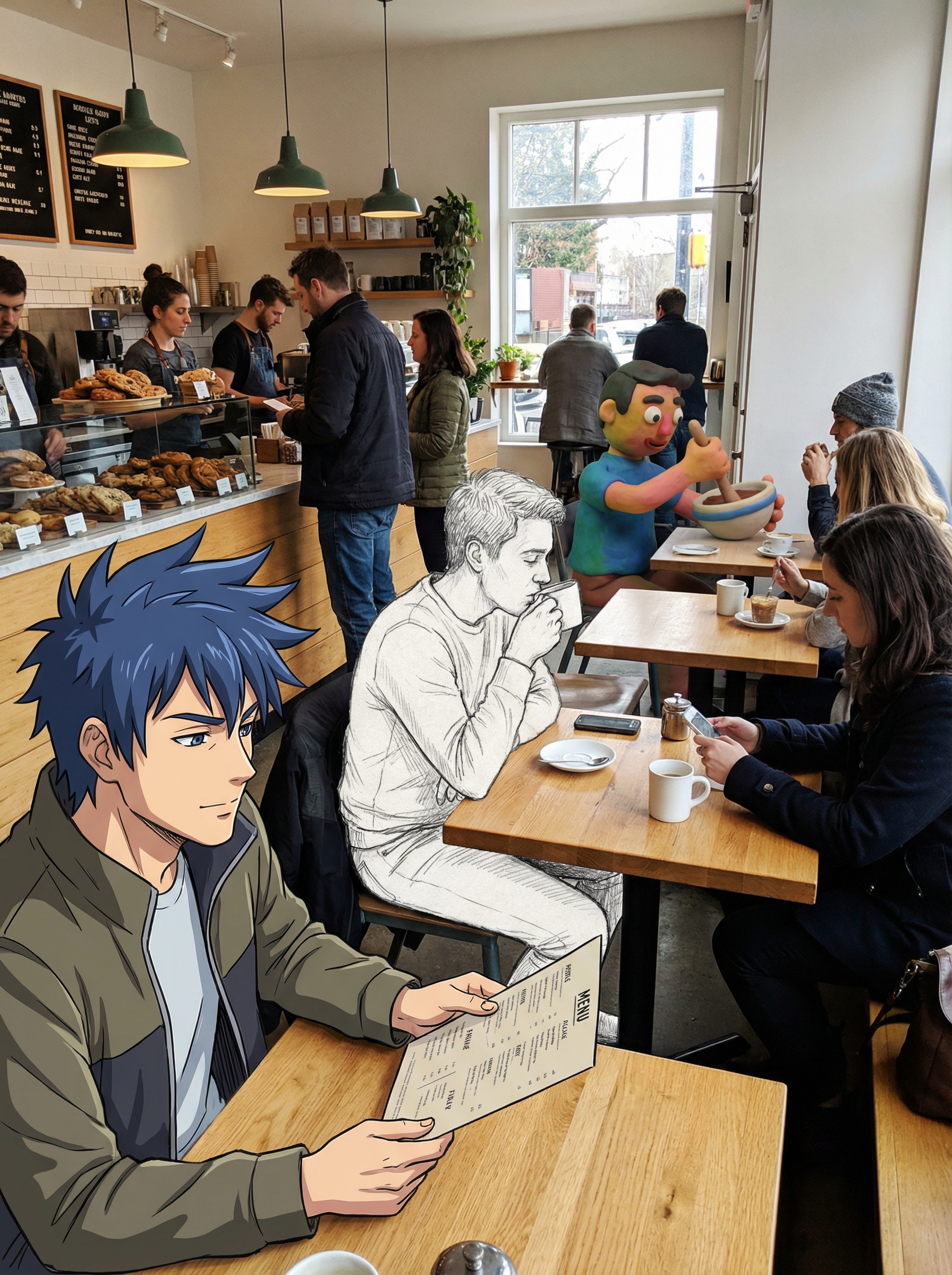
Always pick ratio and file format before final generation. Predefined export rules save time and reduce rework after nano banana outputs are approved.
When teams follow fixed presets, nano banana becomes easier to hand off between design, marketing, and operations.
Run a final zoom check on key details and text edges. Small defects can lower trust even when the overall nano banana image looks strong.
Use a pass/fail checklist instead of opinion-only review. With clear criteria, nano banana approvals happen faster and with fewer revision rounds.
Save winning prompt versions after each campaign. Over time, nano banana becomes a reusable library that improves speed and consistency.
For handoffs, document model, references, and output settings. Good records keep nano banana performance stable when team members rotate.
Another risk is inconsistent framing between related images. Catch it early by reviewing at both thumbnail and zoom levels during nano banana QA.
If a batch underperforms, do not restart everything. Keep the best sample, identify the exact issue, and refine one parameter. This targeted method restores nano banana quality quickly.
Track which prompt patterns produce stronger results. Data-backed review helps nano banana evolve from creative output into a repeatable growth system.
Where relevant, pair nano banana with nano banana api and nano banana prompt to expand use cases while keeping one clear page focus.
Use this guide as your default runbook, then refine it with your own examples. With weekly practice, nano banana becomes faster, cleaner, and more reliable for every launch.
Start your next run now, evaluate results against real business goals, and let nano banana become your standard image workflow.
User Feedback
The same template shortens launch time for new keyword pages.

Riley M.
Creator
★★★★★
“Nano Banana lets me test visual directions quickly without leaving the workspace.”

Marina K.
Growth Marketer
★★★★★
“The image-size and format controls help us publish channel-specific assets much faster.”

Eli R.
SEO Operator
★★★★★
“goal-aligned copy plus the workspace block improved dwell time and click-through.”
Quick answers before your first production run.
Generate, compare, and export in one focused workflow.